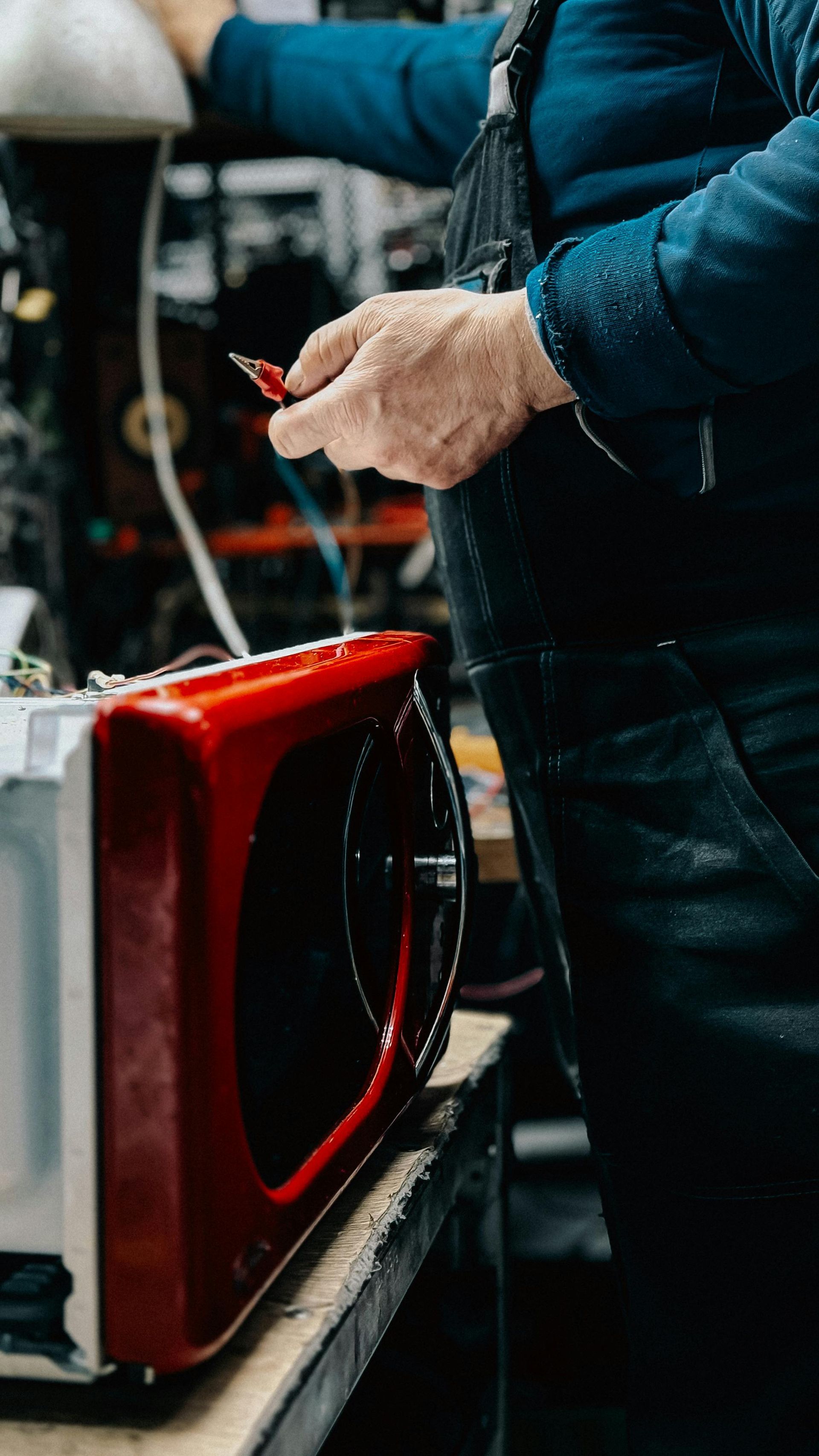
Refrigerator Compressor Troubleshooting for Faster Repairs
When your refrigerator suddenly stops cooling properly, especially during Thanksgiving or Christmas when you need it most, the problem is usually a failing compressor. This important part acts as the heart of your refrigerator's cooling system, moving refrigerant around to keep your food cold. Knowing how to spot compressor problems and when to call a pro to replace a compressor on a refrigerator can save you time, money, and prevent your holiday dinner from spoiling.
Key Takeaways
- Watch for warning signs: Unusual noises, temperature problems, and higher electric bills often mean compressor trouble.
- Safety first: Always unplug your fridge and let it cool down before checking anything.
- Get professional help: Installing a new compressor needs special tools and training.
- Check repair costs: Compare fixing versus buying new, especially for older fridges.
- Regular cleaning helps: Clean coils and good airflow keep compressors running longer.
- Don't wait: Fix problems before Thanksgiving or Christmas when you really need your fridge working.
Understanding Your Refrigerator Compressor
Your compressor works like your refrigerator's engine. This motorized part compresses refrigerant gas, heats it up, and pushes it through coils. As the refrigerant moves through your fridge, it pulls heat from inside and dumps it outside, keeping your food nice and cold.
Most fridges use one of three compressor types, and understanding which one you have makes troubleshooting easier:
- Reciprocating compressors have pistons that move up and down to squeeze the refrigerant. You'll find these in older fridges: they cost less but make more noise. These units are reliable but tend to vibrate more during operation.
- Rotary compressors use spinning parts to compress refrigerant and run quieter than the piston type. Many mid-range fridges have these, and they offer a good balance between cost and performance.
- Scroll compressors use spiral-shaped parts that spin to create pressure. These top-end units work great and stay quiet, but they cost more. Premium refrigerators often feature scroll compressors for their efficiency and smooth operation.
Each type has different repair considerations and replacement costs. Knowing what type you have helps when talking to repair professionals about your options and getting accurate cost estimates for potential repairs.
Common Signs of Compressor Problems
Catching compressor problems early saves you from dealing with a completely dead fridge during the worst possible time, like right before a big family gathering.
- Your fridge can't keep things cold: this is the biggest red flag. If your freezer works fine but your main section stays warm, your compressor might be giving up. Sometimes you'll notice certain areas cooling better than others, which indicates uneven refrigerant distribution.
- Strange noises tell you something's wrong inside the compressor mechanism:
- Clicking sounds when it tries to start usually mean electrical relay problems or starter issues
- Grinding or knocking means internal parts are wearing out and need attention soon
- Running constantly without ever stopping means it's working way too hard to maintain temperatures
- Buzzing or humming that's louder than usual often indicates motor strain
- Your electric bill goes up when compressors start failing because they use more energy to do the same job. A struggling compressor might run twice as long to achieve the same cooling, dramatically increasing power consumption.
- You see refrigerant leaks around the compressor area. These show up as oily spots, unusual frost buildup, or greasy residue near the bottom of your fridge. Leaks reduce system pressure and cooling capacity significantly.
- Temperature swings where your fridge gets too cold, then too warm, then cold again indicate the compressor is having trouble maintaining consistent operation. This cycling problem often gets worse over time.
Diagnostic Steps for Compressor Issues
Before deciding you need to change the refrigerator compressor, try these systematic checks to make sure that's really the problem and rule out easier fixes.
Step 1: Check power and electrical connections
- Make sure your fridge is actually plugged in tight and hasn't worked loose
- Test the outlet with a lamp or other device to verify power is available
- Look carefully for damage to the power cord, especially near the plug
- Check if a circuit breaker tripped or a fuse blew in your electrical panel
- Examine the outlet itself for burn marks or loose connections
Step 2: Test and monitor temperatures carefully
- Place separate thermometers in both the fridge and freezer compartments
- Wait a full 24 hours for accurate readings since temperatures fluctuate
- Your fridge should stay consistently between 35-38°F for food safety
- Your freezer should maintain 0-5°F without major swings
- Check temperatures at different times of day to spot patterns
Step 3: Listen carefully to operational sounds
- Normal compressors make brief startup sounds, then settle into steady, quiet humming
- Write down any weird noises, how long they last, and when they happen
- Notice if sounds occur during specific times like startup, shutdown, or continuous operation
- Pay attention to changes in sound patterns over several days
Step 4: Visual inspection and cleaning
- Clean those condenser coils on the back or bottom of your fridge thoroughly
- Make sure there's at least 3 inches of space around your fridge for proper air circulation
- Check that door seals close properly and don't have gaps or tears
- Look around the compressor area for oil spots, rust, or visible damage
- Verify that your fridge sits level and doesn't rock when you push it gently
| What You Notice | What It Might Mean | What To Do |
|---|---|---|
| No cooling anywhere | Complete compressor failure | Call a professional for replacement |
| Some cooling but not enough | Refrigerant leak or electrical issue | Get professional diagnosis right away |
| Runs constantly | Dirty coils or dying compressor | Clean coils first, then call for help if no improvement |
| Works sometimes | Electrical relay or starter problems | Need professional electrical repair |
| Makes loud noises | Internal mechanical wear | Professional assessment needed soon |
When to Consider Professional Compressor Replacement
Figuring out whether replacing a compressor on a refrigerator makes financial sense depends on several important factors that affect both immediate costs and long-term value.
Age and overall condition matter most. Most refrigerators last 10-15 years with good care and regular maintenance. If yours is getting close to that age range, buying a completely new unit might make more sense than investing in major compressor work. However, if you have a premium model that's been well maintained, fixing it could be worthwhile even if it's getting older.
Cost comparison requires careful analysis:
- Professional compressor replacement usually costs 50-70% of what a new refrigerator costs
- Factor in that newer fridges use significantly less electricity, saving money long-term
- Consider that your older fridge might need additional expensive repairs soon after the compressor works
- Remember that new fridges come with full manufacturer warranties covering parts and labor
Refrigerant type affects repair feasibility and total cost. Older refrigerants like R-22 are being phased out and becoming much more expensive or completely unavailable. If your fridge uses obsolete refrigerant, replacement often makes more financial sense than repair.
Timing considerations become crucial during holiday seasons. During Thanksgiving, Christmas, or big family gatherings, getting your fridge working fast matters more than saving money. Professional appliance repair companies can often prioritize urgent jobs when you really need your fridge back up and running for turkey storage and holiday meal prep.
Professional technicians bring specialized refrigerant handling equipment, electrical diagnostic tools, and proper installation experience. They also provide warranties on their work and ensure compliance with environmental regulations for refrigerant disposal and replacement procedures.
Installation Process and Safety Considerations
The process to install a refrigerator compressor involves highly technical work that requires professional expertise for safe and effective completion.
Critical safety protocols must be followed:
- Complete electrical disconnection prevents dangerous shock hazards during all work phases
- Proper refrigerant recovery protects the environment and meets strict federal legal requirements
- Personal protective equipment protects technicians against chemical exposure and physical injuries
- Adequate workspace ventilation prevents accumulation of potentially harmful refrigerant vapors
Professional installation involves multiple complex steps:
System preparation and old component removal
- Recover all existing refrigerant using EPA-certified recovery equipment that meets environmental standards
- Disconnect electrical connections following manufacturer specifications and safety procedures
- Carefully remove mounting hardware and refrigerant lines to prevent damage to surrounding components
- Document wire connections and component positions with photos for accurate reassembly
New compressor installation and system integration
- Verify replacement compressor specifications exactly match original equipment requirements
- Install new mounting hardware according to manufacturer's torque specifications and positioning requirements
- Connect refrigerant lines using proper brazing techniques with appropriate materials and safety procedures
- Restore all electrical connections following documented wire routing and connection specifications
System testing and performance verification
- Evacuate the entire system to remove air, moisture, and contaminants that affect performance
- Charge the system with the appropriate refrigerant type and precise quantity specifications
- Test all electrical circuits, safety controls, and operational parameters
- Monitor initial operation cycles for proper performance, temperature control, and system pressures
Professional installation ensures proper refrigerant handling, electrical safety compliance, and optimal system performance while maintaining manufacturer warranty coverage and meeting all applicable codes.
Maintenance Tips to Extend Compressor Life
Implementing regular maintenance practices significantly extends compressor operational life and prevents costly premature failures that require emergency repairs.
Cleaning and airflow management form the foundation:
- Clean condenser coils every six months using vacuum attachments or soft brushes to remove accumulated dust and debris
- Maintain a minimum 3-inch clearance on all sides of your refrigerator for proper ventilation and heat dissipation
- Remove dust, pet hair, and debris from around the compressor area regularly to prevent overheating
- Ensure door seals maintain proper contact and replace them if they become worn or damaged
Operating practices that reduce compressor stress and extend life:
- Avoid overloading refrigerator compartments, which forces longer cooling cycles and increased compressor runtime
- Allow hot foods and leftovers to cool to room temperature before refrigeration to reduce thermal load
- Maintain consistent temperature settings rather than making frequent adjustments that cause cycling
- Keep your freezer reasonably full to maintain thermal mass but allow adequate air circulation space
Environmental considerations that affect compressor longevity:
- Position your refrigerator away from heat sources like ovens, dishwashers, heating vents, and direct sunlight
- Maintain stable room temperature to reduce system cycling frequency and compressor workload
- Ensure your kitchen has adequate ventilation to prevent ambient temperature increases during cooking
- During hot summer months, be especially careful about additional heat sources near your refrigerator
Seasonal maintenance for peak performance:
- Before major holidays like Thanksgiving and Christmas, clean coils and check door seals thoroughly
- Monitor performance more closely during high-usage periods when your fridge works harder
- Address any unusual noises or temperature fluctuations immediately rather than waiting
Regular maintenance doesn't just help your compressor last longer. It also improves energy efficiency, reduces electricity costs, and helps you identify potential problems before they turn into expensive emergency repairs during busy holiday seasons when you need reliable refrigeration most.
Frequently Asked Questions
How long does it typically take to replace a refrigerator compressor?
Professional compressor replacement usually takes 3-6 hours, depending on your fridge model and accessibility. This includes removing old refrigerant, taking out the old compressor, installing the new one, and testing everything to ensure proper operation.
Can I change the refrigerator compressor myself to save money?
Compressor replacement requires EPA certification for refrigerant handling, specialized tools, and technical expertise that most homeowners don't have. Attempting DIY replacement can be dangerous, cause environmental violations, and void warranties.
How much does it cost to install the refrigerator compressor professionally?
Professional compressor replacement typically costs 50-70% of what a new refrigerator costs, including parts and labor. The exact price depends on your specific fridge model, compressor type, and local service rates.
What warranty coverage applies to compressor replacement work?
Professional repair services usually provide warranties covering both parts and labor for compressor replacement work. Warranty periods commonly range from 90 days to one year, depending on the service provider and parts used.
How can I tell if my compressor is completely dead versus just having problems?
A completely dead compressor won't start at all and makes no operational sounds, while a failing compressor might still run but produce inadequate cooling, unusual noises, or frequent cycling. Professional diagnostic testing can definitively determine compressor condition and repair requirements.
Final Thoughts
Compressor problems don't have to wreck your Thanksgiving dinner preparations or Christmas celebrations with spoiled food and stress. By watching for early warning signs and calling professional repair services when needed, you can get your refrigerator back to working perfectly when you need it most for storing your holiday turkey, side dishes, and desserts. While you can handle some basic troubleshooting yourself, replacing a compressor on a refrigerator involves complex technical work that's best left to experienced professionals who have the proper tools, training, and certifications to complete the job safely and effectively.
Need professional refrigerator compressor repair? Contact Pro Appliance Services today for fast, reliable service.
Reference:
https://www.trane.com/residential/en/resources/glossary/what-is-r22/
Share this article
You might also like